![SASC - Student Academic Success Center - UNE [logo]](https://s3.amazonaws.com/files.uneportfolio.org/wp-content/uploads/sites/5/2022/02/SASCLogoSquare_Smaller-3-e1644936452801.jpeg)
Learning is not the product of teaching. Learning is a product of the activity of the learner.
–John Holt
Contents
Why students fail | What successful students do to get As & Bs | How to Study with Bloom’s Taxonomy | The Study Cycle | Study Principles | Study Techniques that Work | Mastery Learning Process | Get Study Support
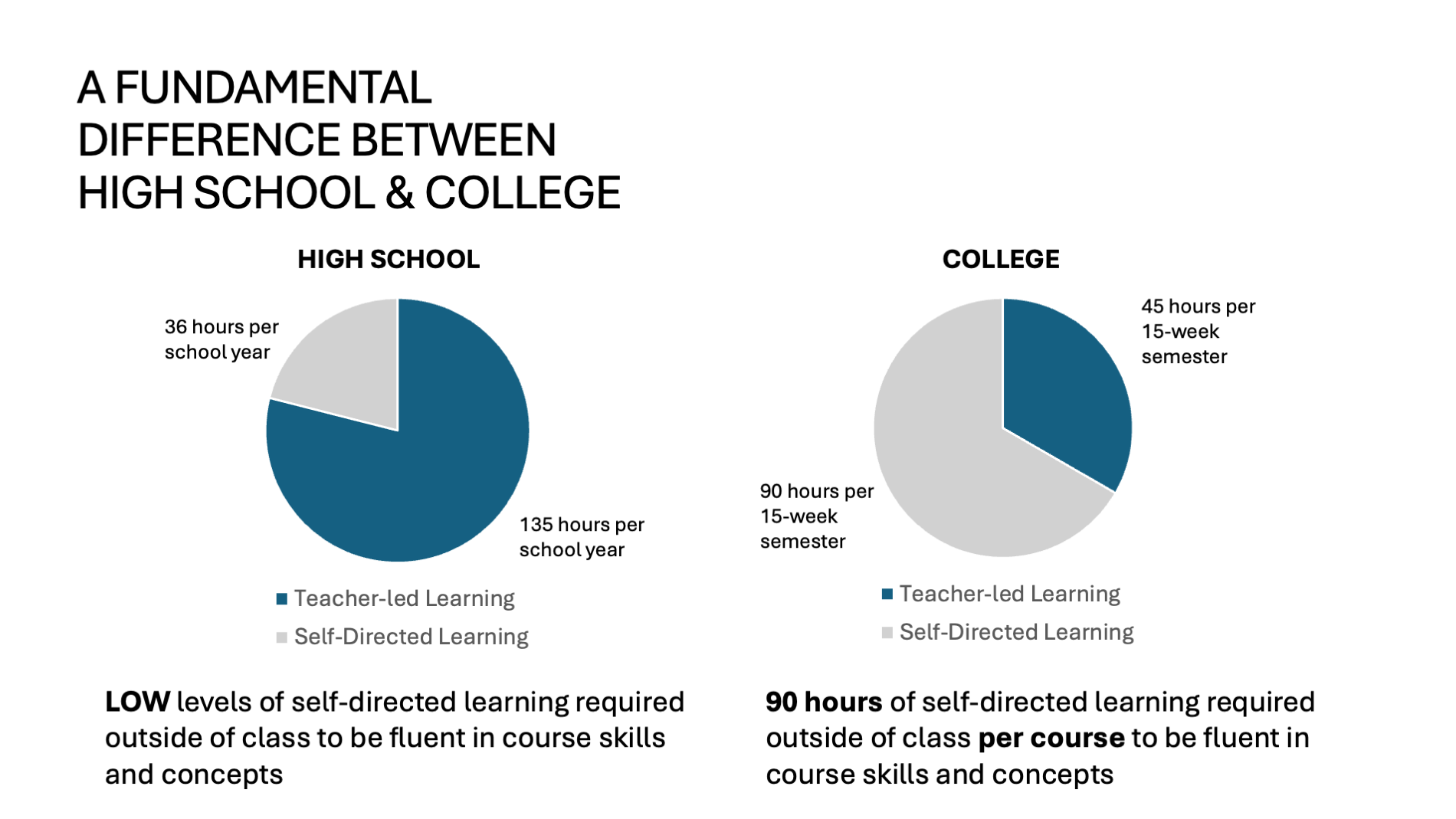
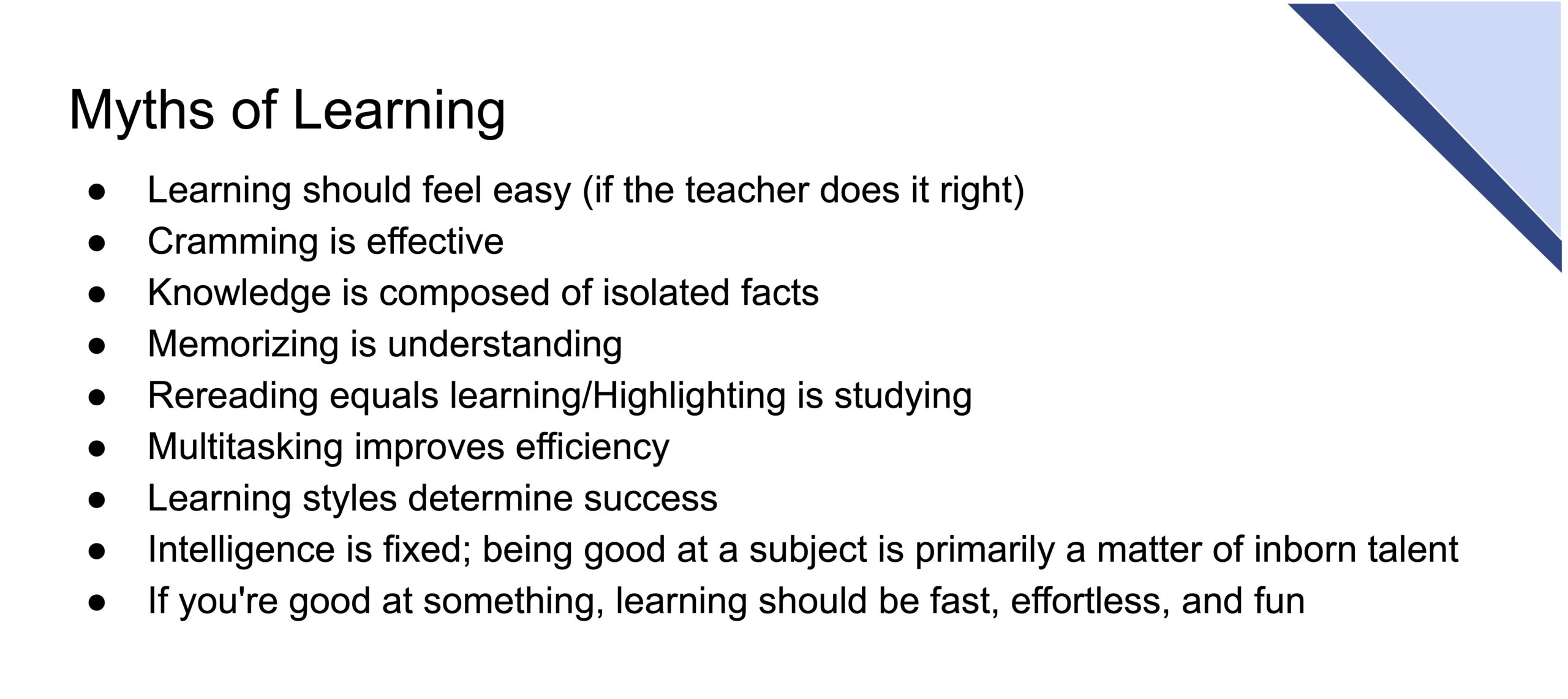
Most new college students use inefficient and ineffective study techniques to learn new information or skills and may be unaware of more effective study strategies. Worse, they frequently overestimate the effectiveness of the study strategies they use and underestimate the time and effort it takes to learn something with the result that they often underlearn the material and can’t retrieve or use it effectively in performance situations.
The study techniques that successful college students use save them time and enable them to learn more and better.

Top 5 Reasons Students Fail Exams
Source: McGuire, Teach Students How to Learn
- Didn’t spend enough time interacting with the material
- Started homework and other learning activities too late
- Didn’t memorize information, formulas, procedures, or details needed to do the work
- Did not use the book
- Assumed they understood information that they read and re-read but had not applied, taught to others, or explained.
Top 10 Strategies Students Use to Make an A or B on Exams
Source: McGuire, Teach Students How to Learn
- Previewed material for every class, attended and engaged in class, reviewed material after class
- Studied every day
- Used the Study Cycle with Intense Study Sessions
- Did a little of the homework at a time/spaced studying over time
- Used the book and did the suggested problems/answered the questions – repeatedly, until they were fluent in the skill or concept
- Asked why, how, and what-if questions about the material
- Made flashcards of the information to be memorized and rehearsed over time until they were memorized
- Practiced explaining the information to others
- Attended tutoring and group study sessions
- Aimed for 100% mastery
Here are 8 principles to follow when selecting study techniques:
(find specific techniques and a description of the learning process here)
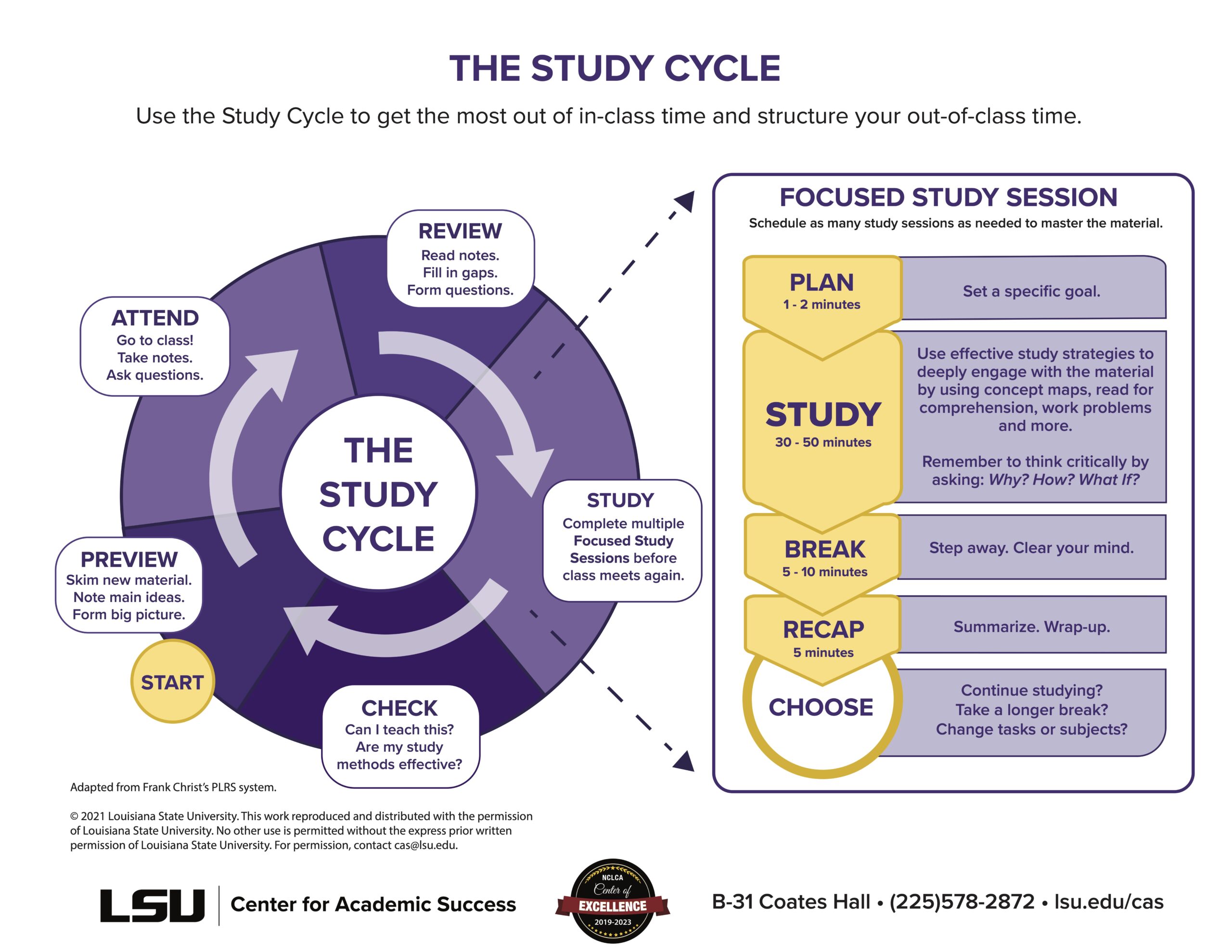
1. Don’t cram. Follow the Study Cycle and schedule three to four intense study sessions per day
You need to go to class. But to be successful, you need to really know what it takes to go to class to be ready to learn. Read this to learn what to do before, during, and after class.
2. Work higher on Bloom’s Taxonomy

Here’s a list of individual and group study strategies keyed to the different levels of Bloom’s Taxonomy with variations tailored to STEM, the social sciences, and the humanities.
3. Space Out Your Practice

4. Use Retrieval Practice instead of re-reading or going over your notes.

5. Use Elaboration to make connections

6. Use Interleaved Practice instead of Massed Practice

7. Collect concrete examples for abstract ideas

8. Dual code the knowledge you need to learn

Here’s a list of study strategies that work
- Know what it really means to go to class and what to do before, during, and after class
- Spend time on every class every day
- Attend tutoring and group study sessions
- Aim for 100% mastery
- Teach the material to a friend
- Write definitions of concepts from memory, create examples to illustrate them, make connections between them, and self-test
- Organize information by making connections among them, then prepare charts, outlines, or study guides to express the connections
- Solve problems without looking at an example or the solution
- Memorize everything you’re told to memorize – those are the building blocks for more complex concepts and skills
- Always ask why, how, and what if questions
- Practice with flashcards you made yourself, not ones you found on Quizlet or asked an AI to make
- Draw concept maps for each of the terms and test yourself by seeing if you can redraw them accurately from memory
- Prepare actively for reading by previewing the reading.
- Read actively by developing questions before you read and as you read
- Annotate and paraphrase the point or information in each paragraph of a reading
- Take Cornell Style Notes Guided by Chapter Learning Outcomes (click here for a sample)
- Create practice exams from learning outcomes published on Brightspace or in course materials such as textbooks or handouts
- Find practice problems and questions in older editions of your textbooks
- Study with the right partner or study group and come to each session prepared. Try these Peer Reading and Collaborative Summary Activities
Here’s the process to use for mastery learning
1. Encounter new material, concept, skill (in textbook or class). Familiarize yourself with broad concepts and the big picture. ATTENTION
2. Engage/Learn with guidance and feedback (in class, tutoring or study group, analyze, apply, evaluate, create). See the details that make up the big picture and understand how they fit together and what they mean. ENCODING
3. Rehearse/Practice retrieving with feedback (studying or with a group; spaced out over several sessions and alternated with rehearsing other topics/skills). Rehearsal engrains new learning into long-term memory. Without rehearsal, you won’t be able to use your learning in performance or on exams. ENCODING
4. Review (rehearse material learned earlier & identify any connections between newer and older material. Students need to maintain what they learned earlier or it will fade. ENCODING/STORAGE
5. Self-test without notes (practice test, do additional/related problems, teach to others, brain dump). Simulate performance/test conditions as best you can. RETRIEVAL
6. Check/Evaluate results of self-tests to identify what needs more studying.
7. Overlearn/Return to 2-6 til material is overlearned (can’t be forgotten)
Get Study Support
SASC Study Sessions
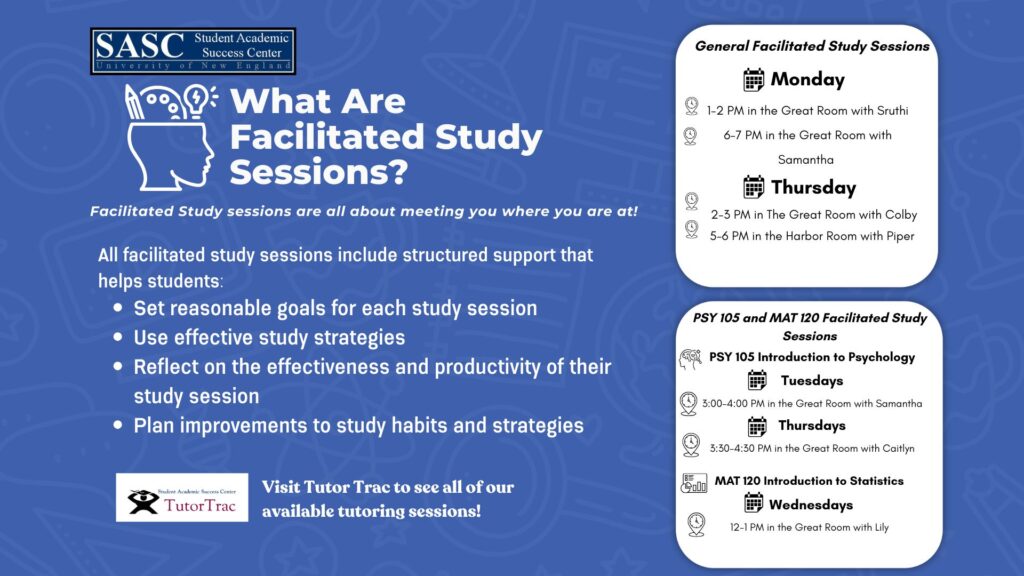
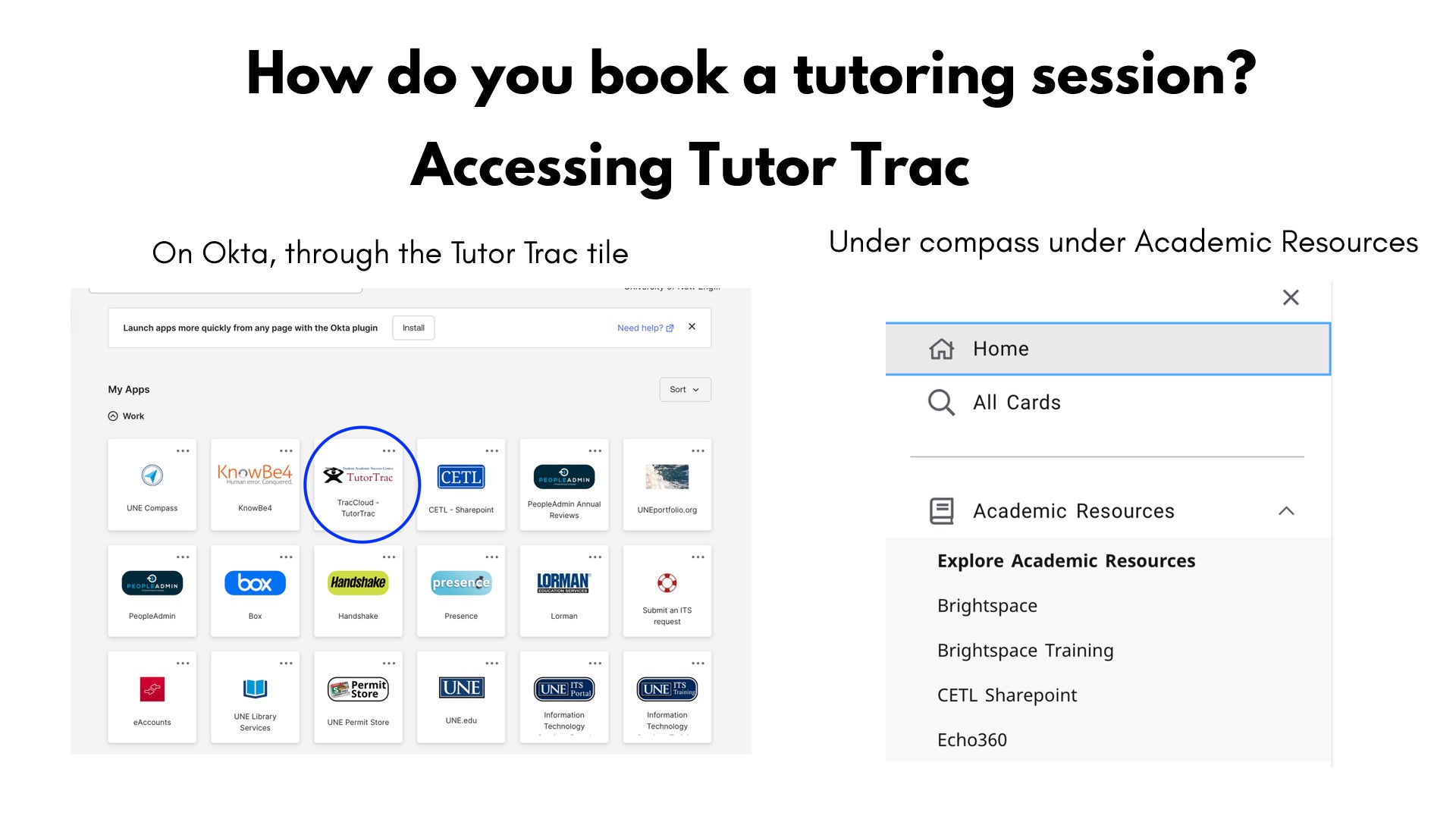
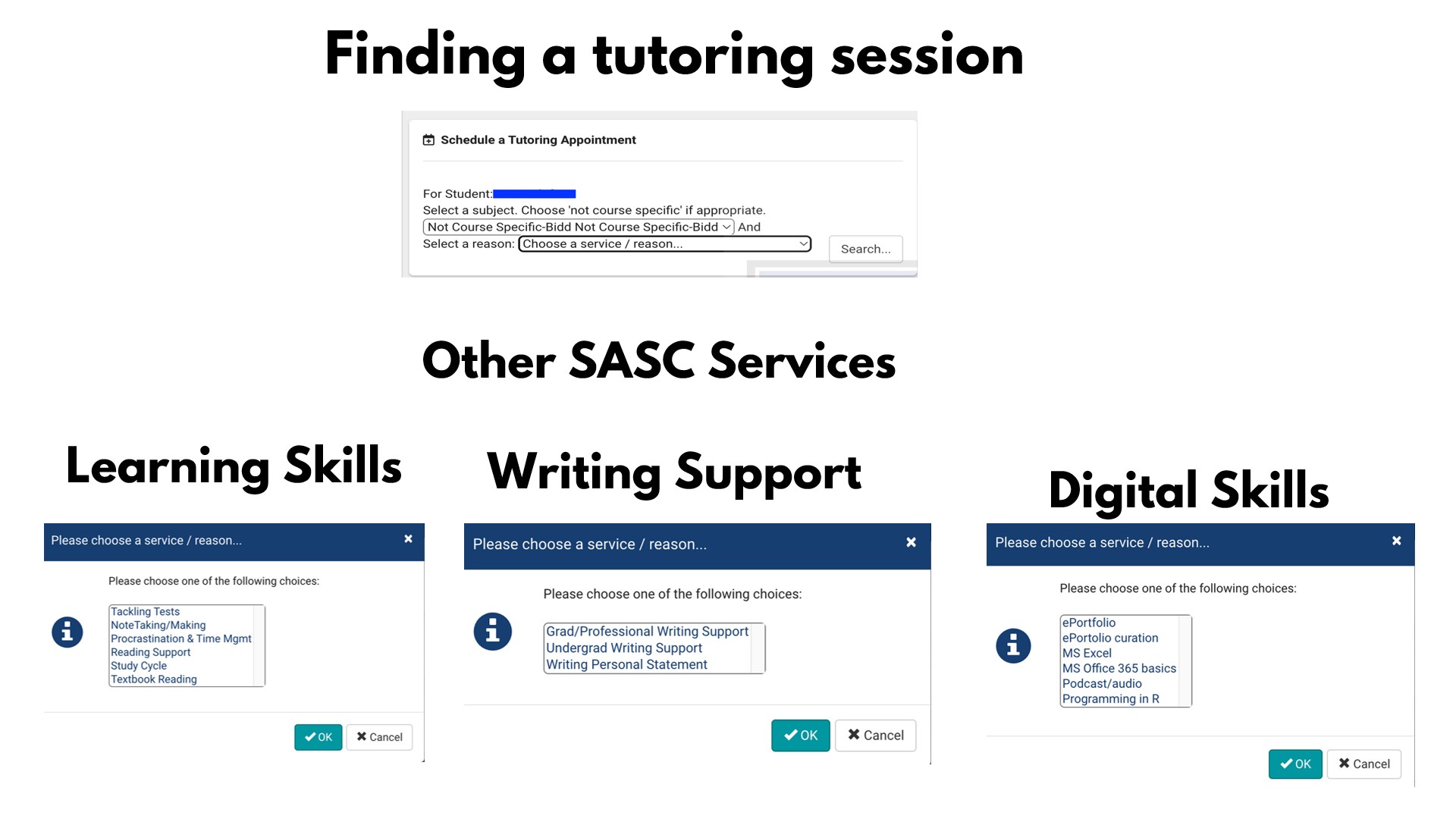
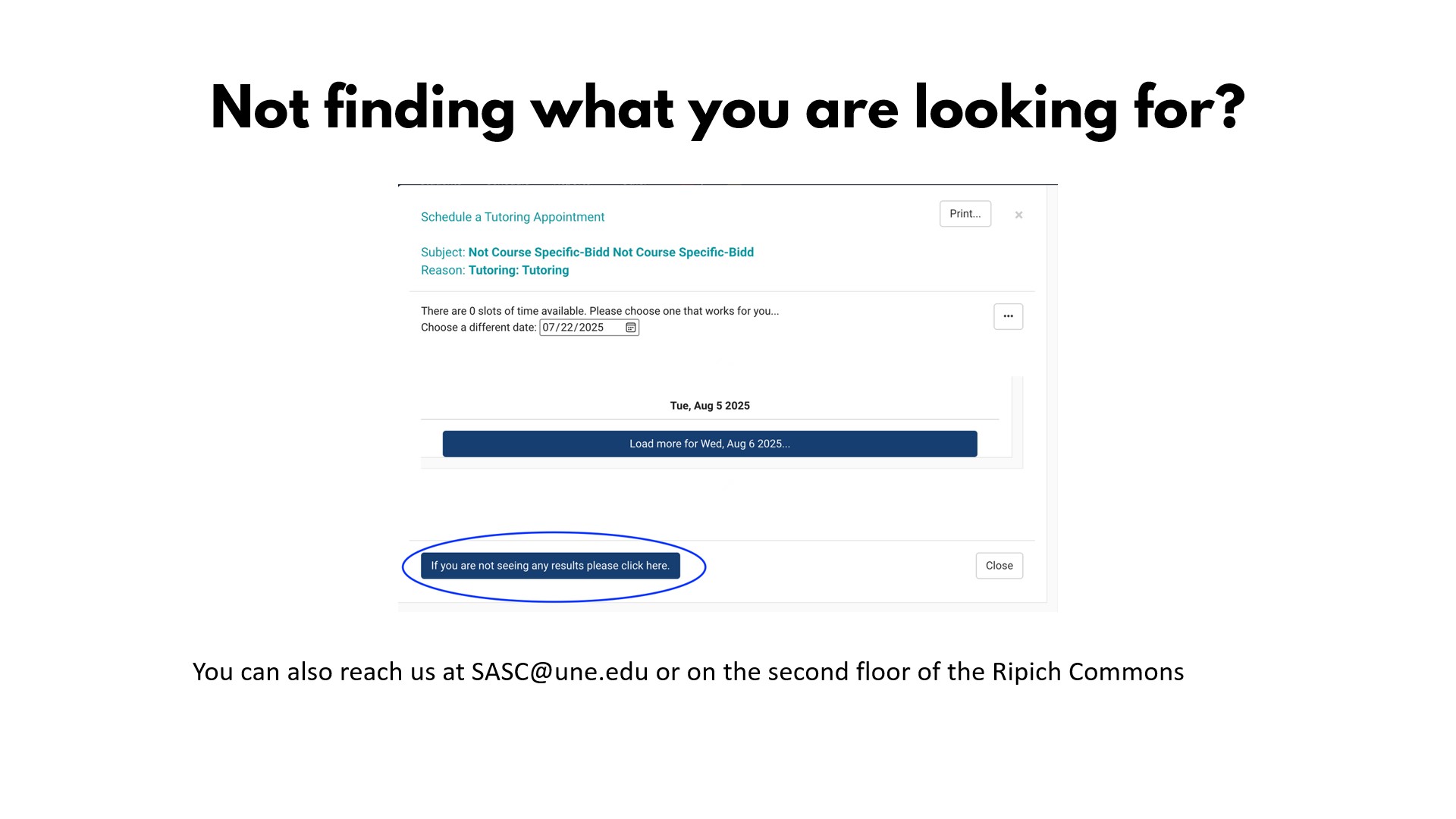
Book a Tutoring Session